

Every school day begins with the same goal: helping children learn, develop, and reach their full potential.
While much attention is rightly given to what happens in the classroom, it’s easy to overlook the factors that help create the best environment for learning in the first place. One of those is nutrition.
As we mark World School Milk Day 2026, one of two global celebrations recognising the role of milk and dairy in nutrition, it’s worth reflecting on why access to nutritious food and drinks remains an important part of the school day.
Nutrition Beyond the Lunch Menu
Schools are increasingly expected to support children’s wellbeing alongside their education. But what role does nutrition play in helping children get the most from the school day?
Nutrition isn’t only about what is on the lunch menu. Throughout the school day, there are plenty of opportunities to encourage healthy habits and give children access to nutritious food and drinks.
While conversations about nutrition often focus on what children eat at home, schools can also help encourage healthy choices from an early age. Given the amount of time children spend at school each week, the school environment can play an important role in helping to establish positive habits and attitudes towards food that can last into later life.
School milk has long been part of that picture. Developing healthy habits doesn’t begin and end at home -schools can also help reinforce positive behaviours by making nutritious choices part of everyday school life.
That’s one reason school milk programmes continue to have a place in schools today.
Why School Milk Matters
For generations, school milk schemes have helped provide children with access to a nutritious snack during the school day.
While access to nutritious food and drinks is something many of us take for granted, it remains a challenge for millions of people around the world.
The FAO has highlighted the continued impact of malnutrition and nutrient deficiencies, as well as the important role milk and dairy products can play in supporting good nutrition at all stages of life.
These nutrients play an important role for supporting normal growth and development during childhood.
While often thought of simply as a drink, milk offers more than hydration alone and can be a convenient, nutrient-rich option during the school day.
As part of a balanced diet, milk provides a range of important nutrients including protein to support normal growth and development.
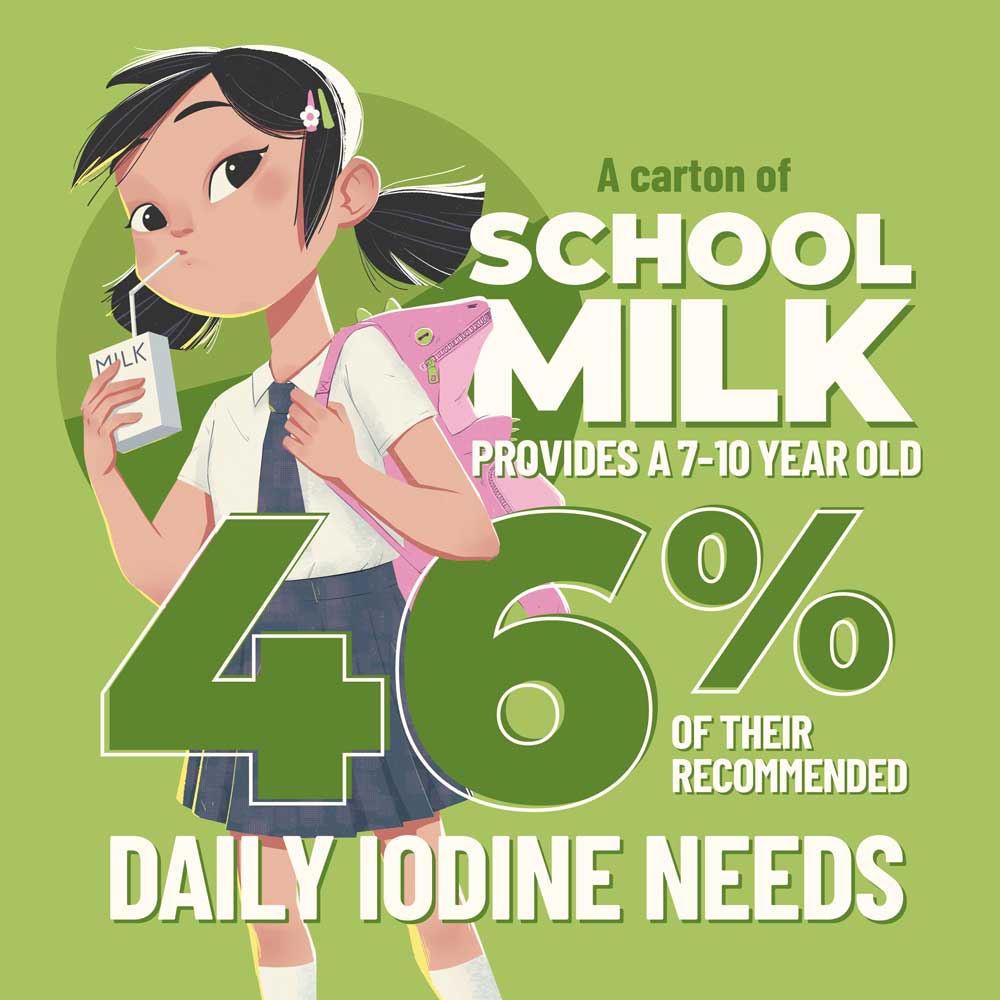
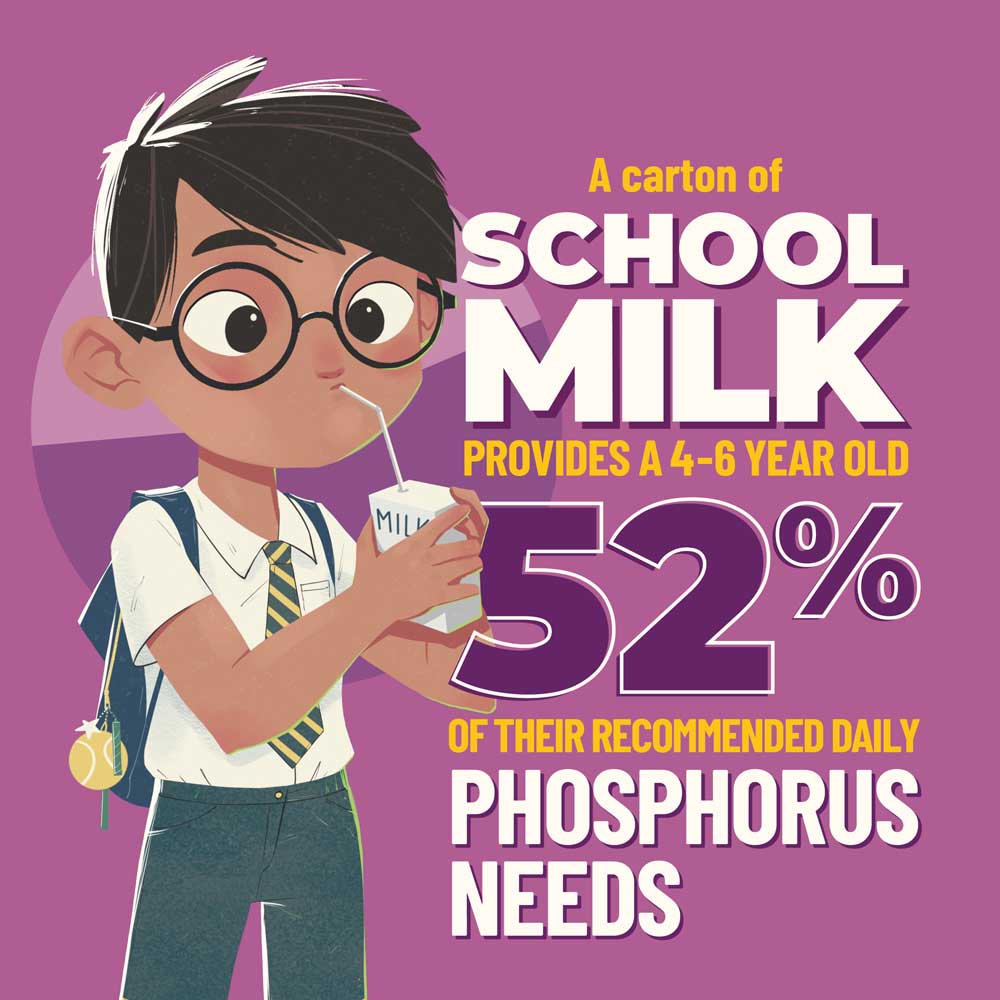
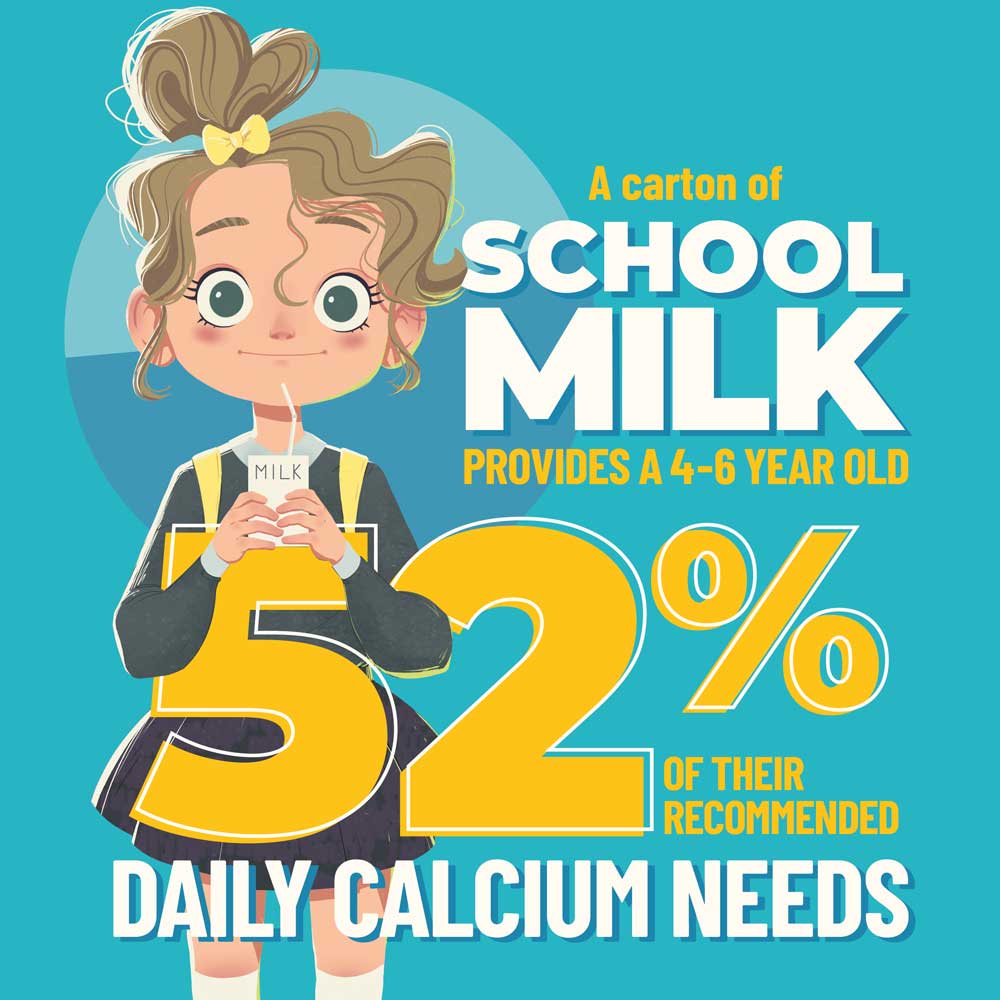
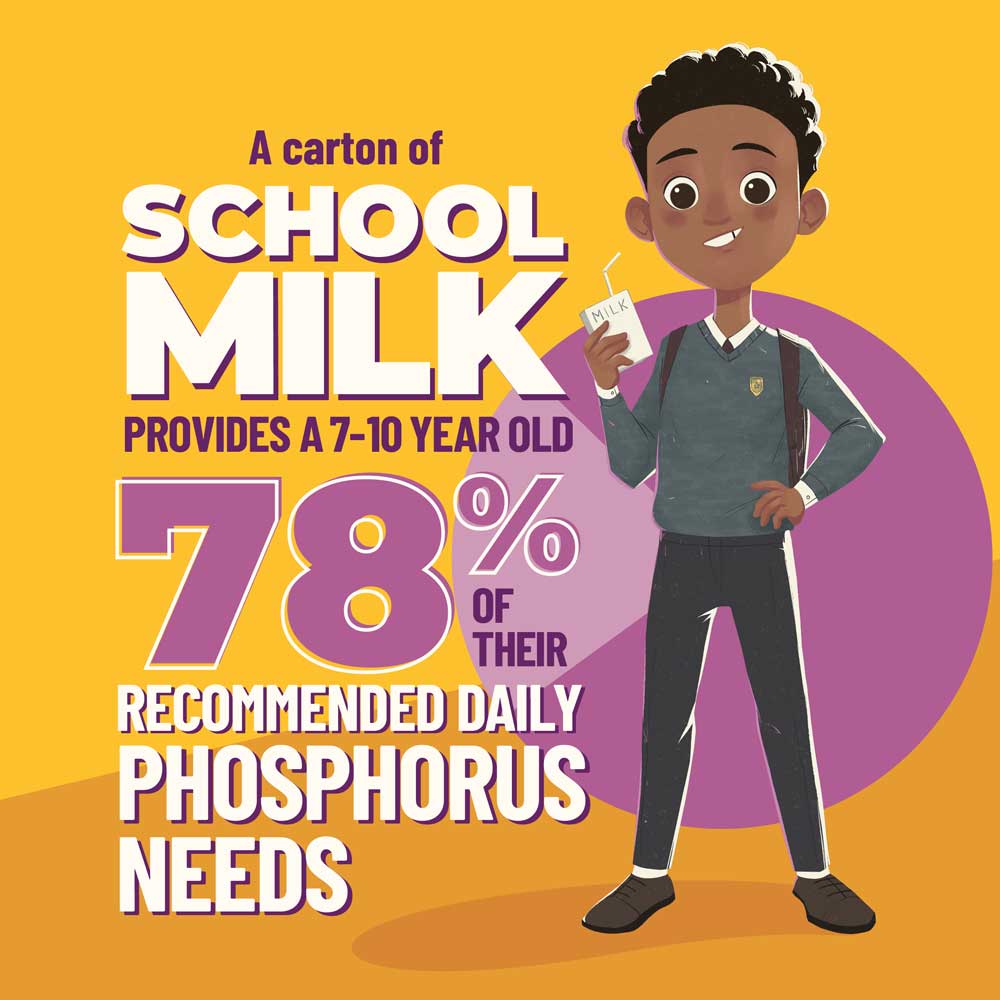
In fact, a single 189ml carton of school milk provides children aged 4 to 6 with:
- 52% of their recommended calcium intake, important for developing of healthy bones and teeth.
- 51% of their recommended iodine intake, which contributes to normal cognitive function, including concentration, learning, memory and problem solving.
- 97% of their recommended vitamin B12 intake, which contributes to normal energy metabolism and helps support the normal functioning of the nervous system.
- 44% of their recommended vitamin B2 intake, which contributes to the reduction of tiredness and fatigue.
For many children, school milk offers a simple and convenient way to access these nutrients during the school day. While it may seem like a small part of the day, it can make a meaningful contribution to children’s nutrition.
Why We Celebrate World School Milk Day
More than 25 years after it was first celebrated, World School Milk Day continues to highlight the role nutrition plays in children’s lives and the contribution school milk programmes make around the world.
While much has changed in schools over the years, good nutrition remains central to children’s growth and development. That’s why conversations around children’s nutrition remain just as relevant today as they were when World School Milk Day first began.